


Bulging and Herniated Discs: How Spinal Decompression Works
If you have been told you have a bulging or herniated disc, you have probably also been told your options are medication, injections, or surgery.
Non surgical spinal decompression is the option most people are never offered, and for a great many disc patients it is where treatment should start.
Bulge, herniation, and why it hurts
Each disc is a tough fibrous ring around a gel like center. A bulge is that ring pushing outward while staying intact. A herniation is center material escaping through a tear in the ring.
What produces symptoms is contact with a nerve root and the inflammation that comes with it. That is why disc pain so often travels, running down a leg or an arm rather than staying in the back. If your back pain comes with numbness, tingling, or weakness somewhere else, a disc is a likely source.
What decompression does
Decompression uses a specialized table to apply controlled, cycling traction to a specific spinal segment. The purpose is to create intermittent negative pressure inside the disc.
That negative pressure does two useful things. It encourages displaced disc material to draw back away from the nerve it is pressing on, and it improves the movement of fluid and nutrients into the disc itself. Discs have a poor direct blood supply and rely on this pumping action for nourishment, which is a large part of why they heal so slowly on their own.
The cycling is what separates decompression from old fashioned traction. Sustained pull causes the surrounding muscles to guard, which works against you. Alternating tension and release lets the segment open without triggering that response.
What a course of treatment is like
Sessions are comfortable. You remain clothed, lying on the table, and most people describe a gentle stretching sensation. A fair number find it relaxing enough that they fall asleep.
Treatment runs as a course over several weeks rather than a single visit, because the disc responds cumulatively. Patients commonly notice the traveling pain retreating first, moving back up the leg toward the spine, before the local back pain settles.
We pair decompression with chiropractic care and rehabilitative work, because rebuilding the muscular support around the injured segment is what holds the gains. Decompression opens the door. The strengthening keeps it open.
Finding out whether it is right for you
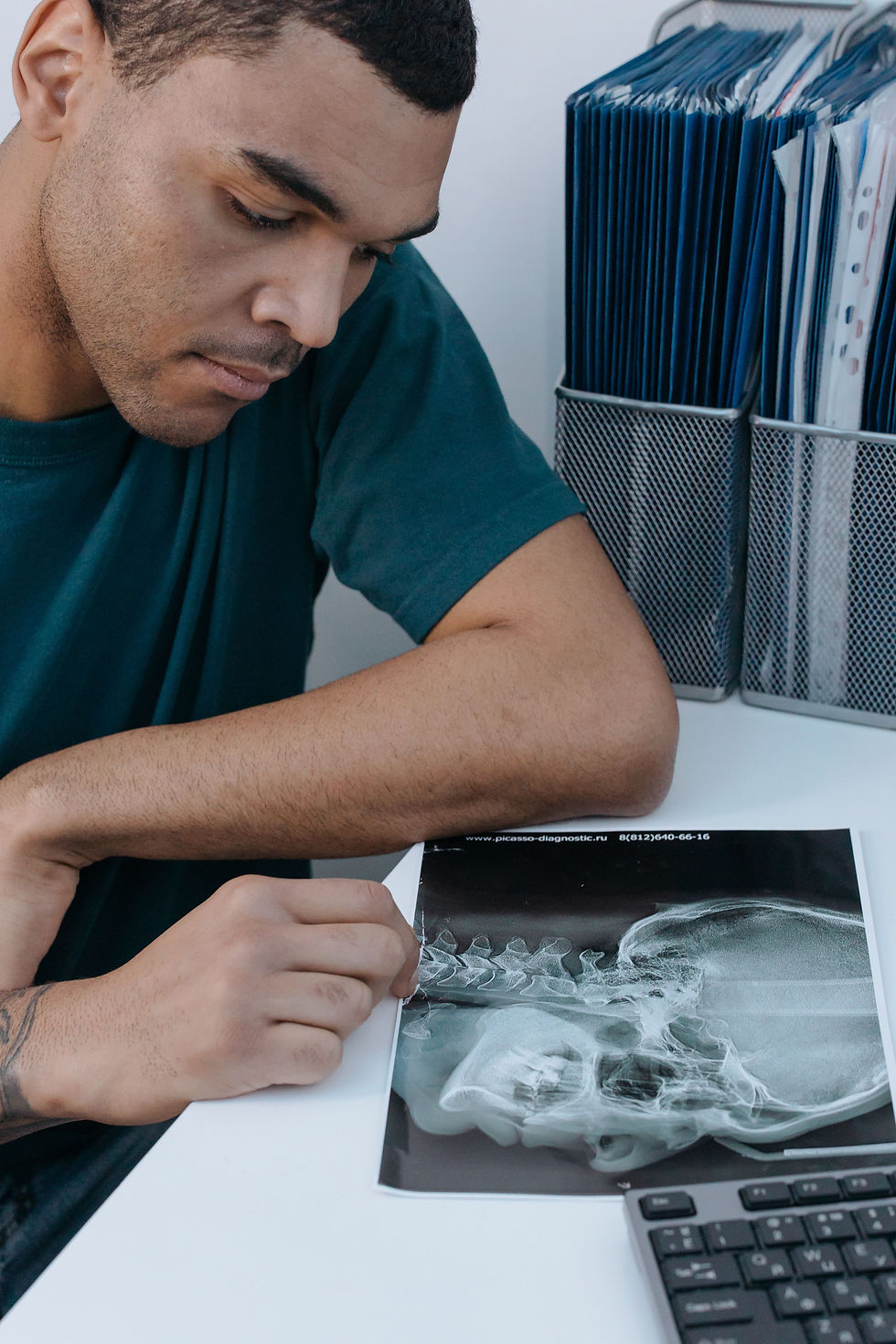
It starts with a proper evaluation. We assess your range of motion, run orthopedic and neurological testing, review any imaging you have, and order imaging when the findings call for it. That tells us which segment is involved and whether decompression is the right tool for your presentation.
If you are weighing surgery, it is worth knowing what conservative care can do first. RejuveN8 offers spinal decompression at our Henderson, southwest Las Vegas, and North Las Vegas offices. Call the one nearest you to get evaluated.

Comments